Stroke Rehabilitation
Rebuilding motor control, regaining functional independence, and promoting neuroplasticity through specialized neurological physiotherapy in Swabi.
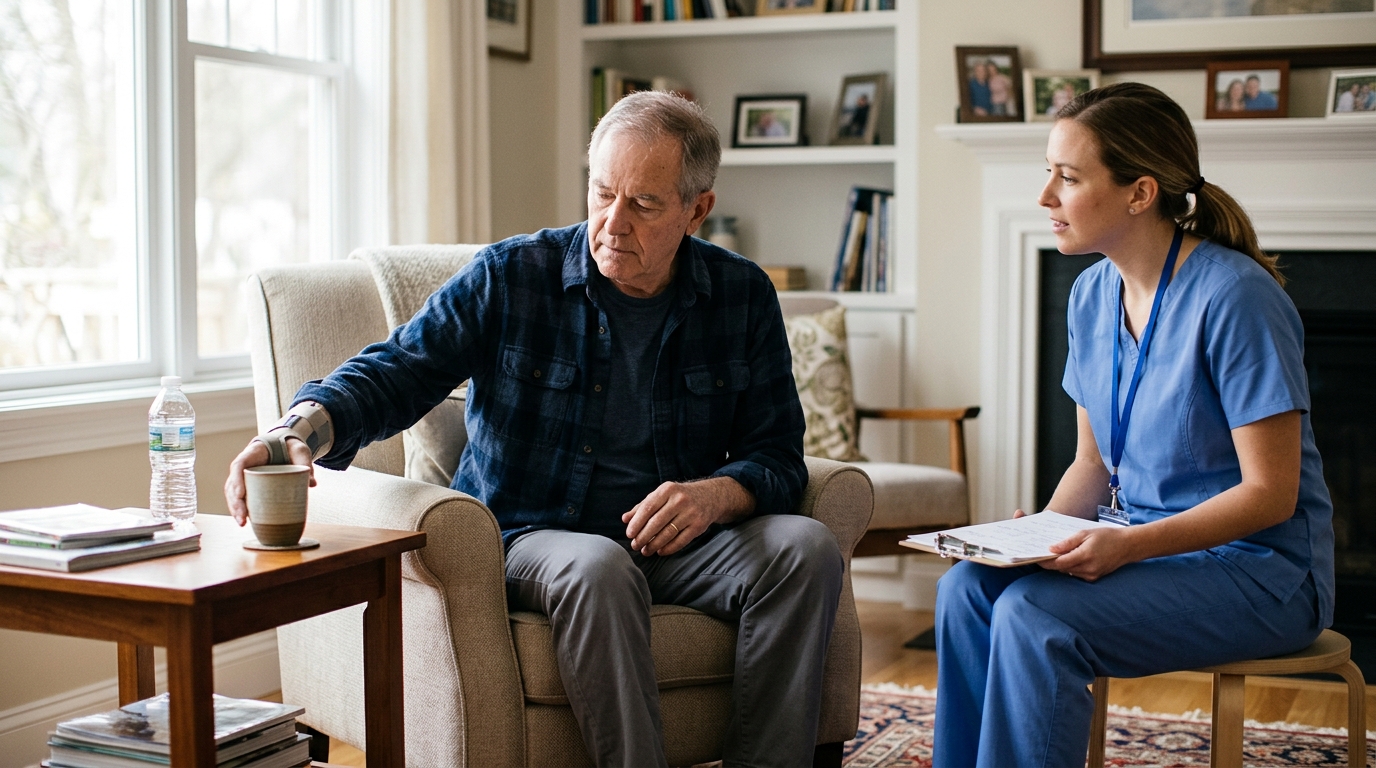
How stroke affects movement & the brain
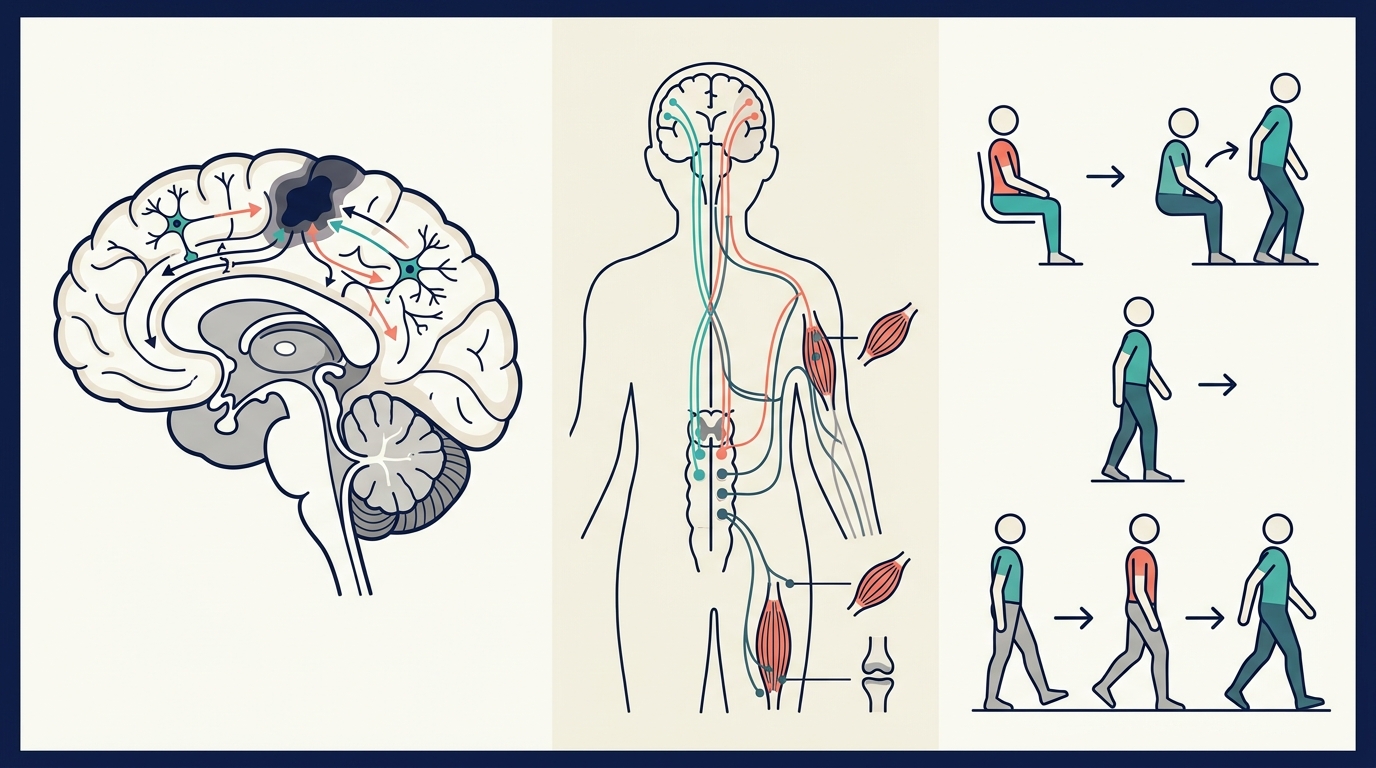
A stroke occurs when blood flow to a region of the brain is disrupted—either by an ischemic blockage or a hemorrhagic bleed. Because brain cells control voluntary movement, balance, and sensation, damage to descending motor pathways often results in hemiparesis (weakness affecting one side of the body).
Following acute medical stabilization, the brain possesses an innate adaptive capacity known as neuroplasticity. Through structured, repetitive, and task-specific practice, intact neural networks can reorganize, learn new movement pathways, and re-establish communication with paralyzed or weakened limbs.
Early, specialized physiotherapy prevents complications such as joint contractures, shoulder subluxation, and learned non-use, laying the foundation for long-term mobility.
Common post-stroke physical difficulties
While outpatient rehabilitation focuses on ongoing physical recovery, seek immediate hospital emergency care if any of the following occur:
- Recurrent stroke warning (FAST): Sudden new facial drooping, arm weakness, slurred speech, or confusion requires immediate emergency hospitalization.
- Deep Vein Thrombosis (DVT): Unilateral calf swelling, localized heat, redness, or tenderness in an immobile lower limb.
- Shoulder subluxation risk: Never pull or drag a hemiparetic arm during transfers; an unsupported shoulder joint can sublux and cause chronic neuropathic pain.
A structured neurorehabilitation protocol
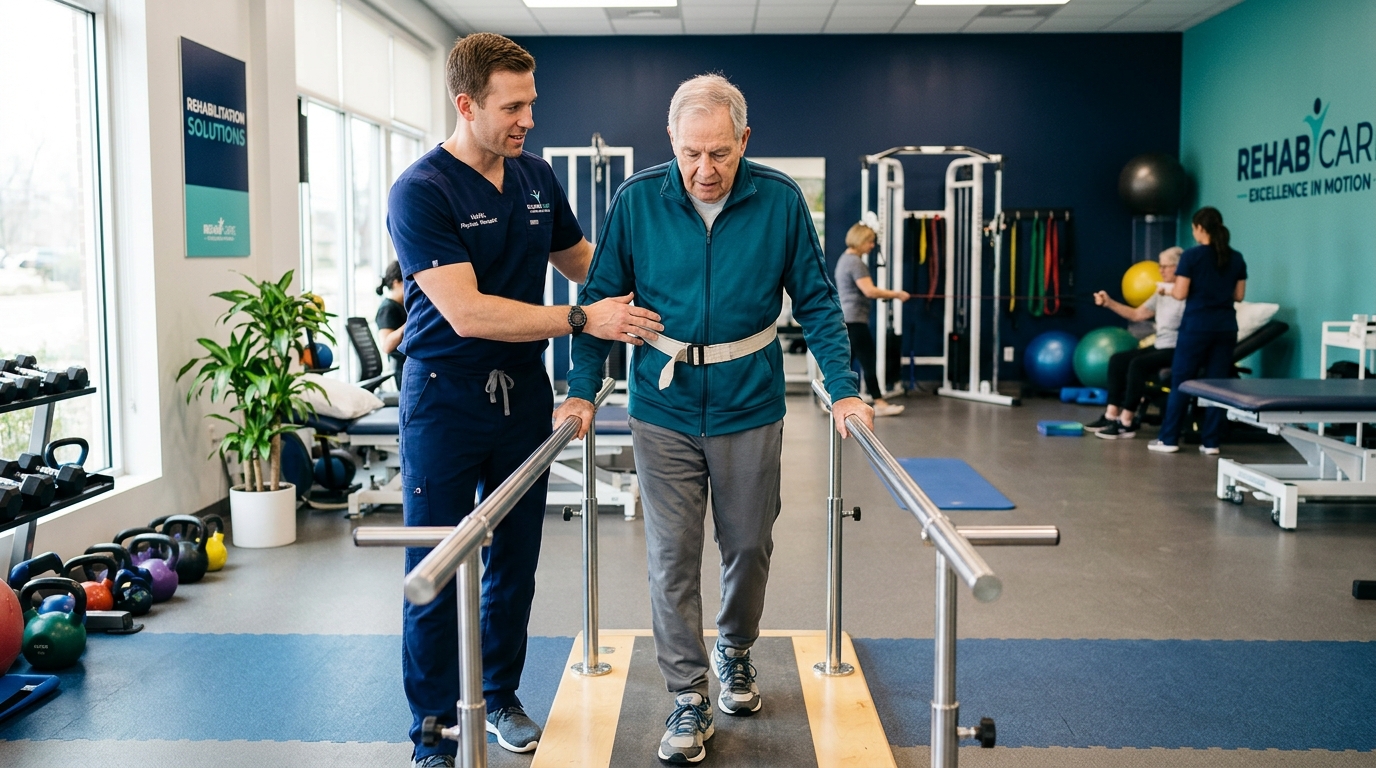
At Dr Waheed Physio, neurological rehabilitation is directed by Dr. Waheed Muhammad, Consultant Physical Therapist at DHQ Teaching Hospital Swabi. Evaluation involves standardized neurological scales, tone evaluation (Modified Ashworth Scale), sitting/standing equilibrium, and functional transfer capacity.
What to expect during stroke recovery
Neurorehabilitation is a progressive, long-term journey. While the most rapid spontaneous neurological recovery typically occurs within the first 3 to 6 months post-stroke, clinical evidence demonstrates that neuroplasticity continues indefinitely. Meaningful gains in mobility, balance, and arm function can be achieved months and years following a stroke through consistent, targeted physical therapy and home exercise routines.
Explore related neurological and mobility conditions
Schedule a post-stroke physical therapy evaluation
Consult Dr. Waheed Muhammad, Consultant Physical Therapist at DHQ Teaching Hospital Swabi. Private consultations held at Doctors Medical Center, Jahangira Road, Swabi (3:00 PM – 7:30 PM, Monday to Saturday).