Back Pain
Understand your symptoms, explore evidence-based physiotherapy treatment options, and learn when to seek medical evaluation.
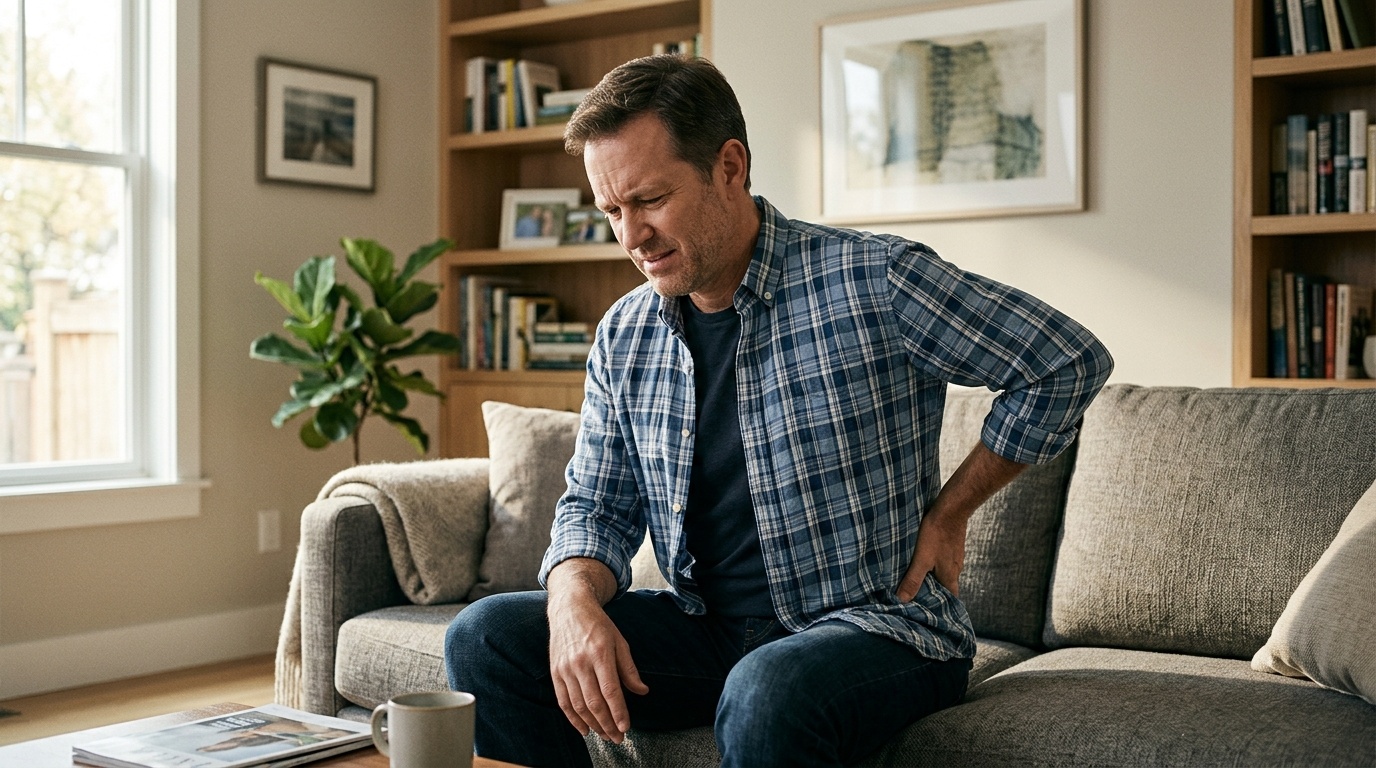
What is happening in your back?
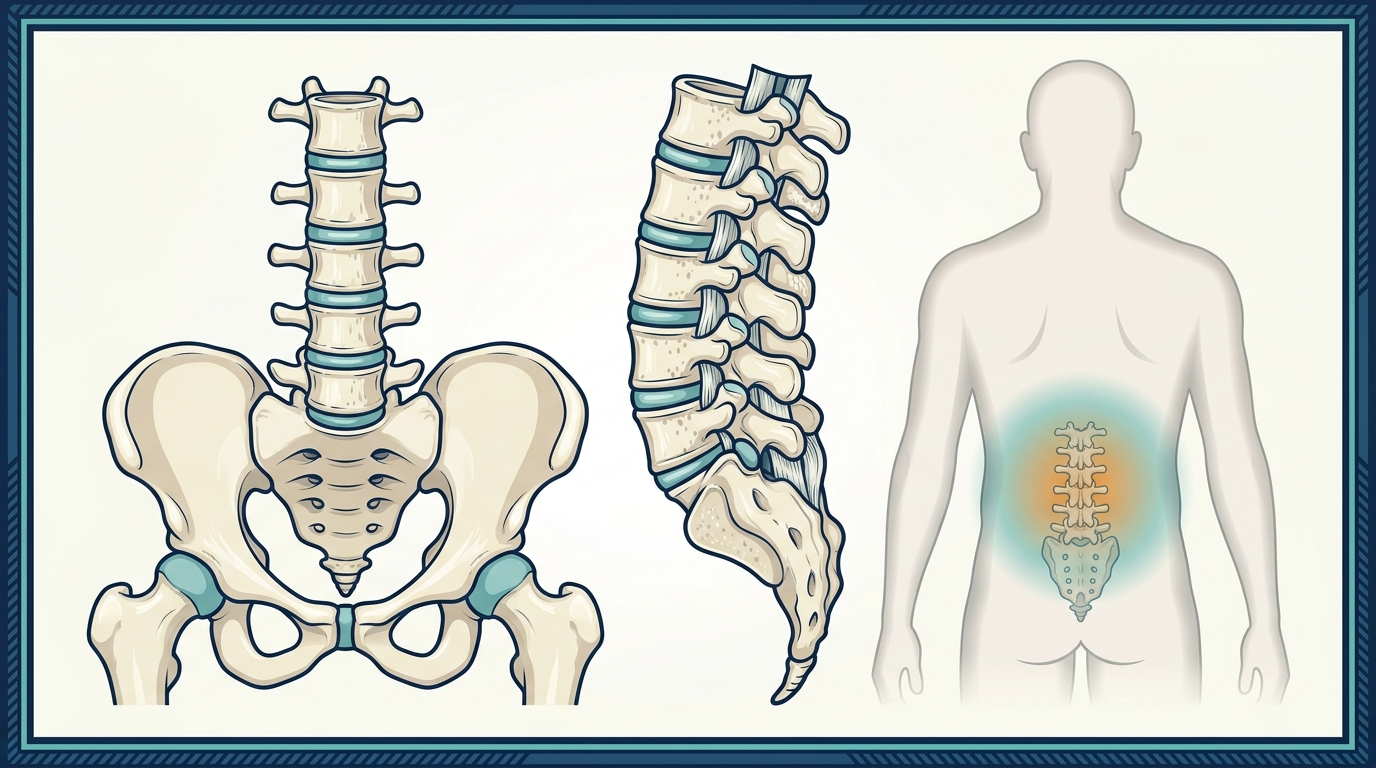
The lower back supports much of the body’s weight and relies on five lumbar vertebrae (L1–L5), shock-absorbing intervertebral discs, facet joints, and supporting paraspinal and deep core muscles.
In most cases, back pain is mechanical—frequently arising from temporary strain on spinal ligaments, protective muscle guarding, facet joint stiffness, or mild disc sensitization—rather than permanent structural damage. Prolonged sitting, abrupt lifting loads, unconditioned core muscles, and daily physical fatigue can sensitize these tissues and trigger pain cycles.
Distinguishing simple muscular strain from nerve root irritation (such as sciatica) ensures the right exercises and treatment pathway are chosen from the start.
How can back pain affect you?
While most lower back pain is mechanical and resolves safely, immediate emergency medical evaluation is necessary if you experience any of the following warning signs:
- Loss of bowel or bladder control: Incontinence, difficulty passing urine, or loss of sensation around the genitals, groin, or buttocks (“saddle anesthesia”)—potential indicators of Cauda Equina Syndrome.
- Progressive neurological deficit: Rapidly advancing weakness, numbness, or loss of motor coordination in the legs (such as foot drop or difficulty walking).
- Systemic symptoms: Severe, unrelenting pain that does not ease with rest or lying down, especially if accompanied by fever, chills, unexplained weight loss, or a history of cancer.
A personalized rehabilitation approach
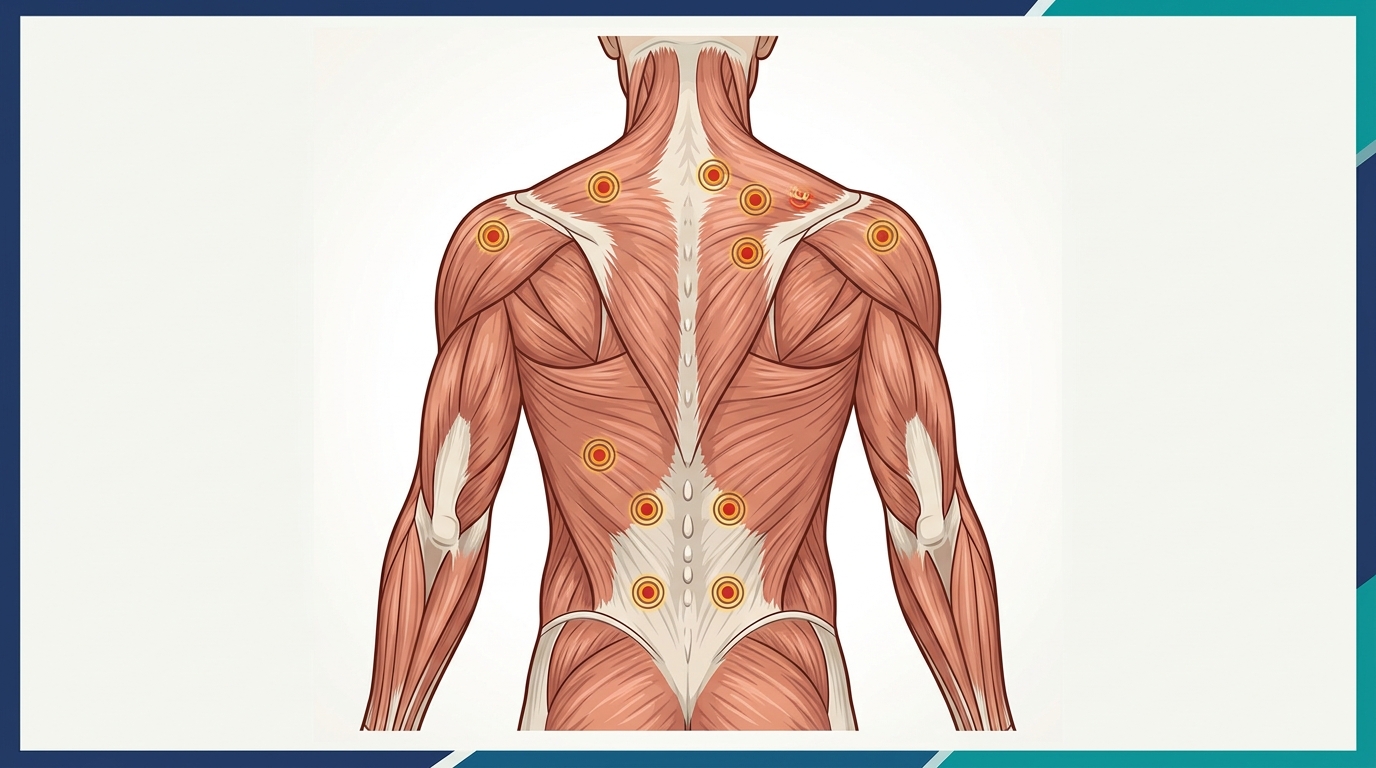
At Dr Waheed Physio, rehabilitation begins with an individualized physical evaluation by Dr. Waheed Muhammad, Consultant Physical Therapist at DHQ Teaching Hospital Swabi. Assessment looks at symptom history, directional movement preferences, spinal joint mobility, core stability, and nerve mechanosensitivity to pinpoint movement restrictions.
What to expect during recovery
Many individuals with uncomplicated mechanical back pain experience significant symptom improvement within 2 to 6 weeks when managed with guided activity and exercise. Because individual healing rates vary according to symptom duration, overall health, and physical demands, recovery plans should be tailored to each patient’s tolerance. Recovery is best supported by staying gently active, breaking up sustained sitting every 30 minutes, and consistently performing recommended rehabilitation exercises.
Explore related spinal and musculoskeletal conditions
Ready to discuss your back symptoms?
Consult Dr. Waheed Muhammad, Consultant Physical Therapist at DHQ Teaching Hospital Swabi. Private consultations held at Doctors Medical Center, Jahangira Road, Swabi (3:00 PM – 7:30 PM, Monday to Saturday).