Frozen Shoulder (Adhesive Capsulitis)
Restoring pain-free arm range of motion, reducing capsular stiffness, and guiding phased recovery through specialized physical therapy in Swabi.

What happens in adhesive capsulitis?
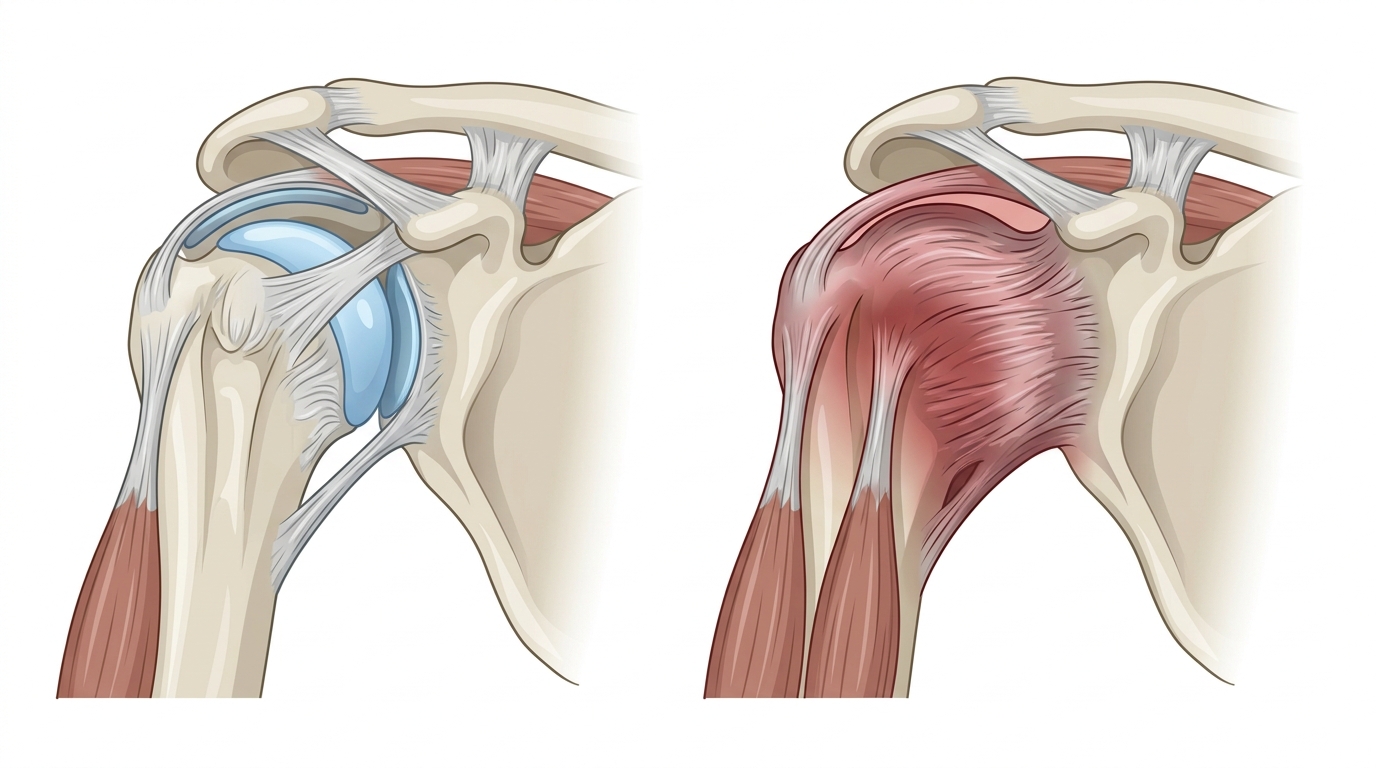
The shoulder is a ball-and-socket joint enclosed within a strong, flexible connective tissue sleeve known as the glenohumeral joint capsule. In frozen shoulder (adhesive capsulitis), this capsule becomes severely inflamed, thickens with fibrotic scar tissue, and contracts tightly around the humeral head.
As the capsule tightens, joint fluid volume decreases drastically, creating profound mechanical restriction in both active and passive shoulder movements. Frozen shoulder typically progresses through three distinct clinical phases: the painful Freezing stage, the severely restricted Frozen stage, and the gradual Thawing stage.
Frozen shoulder frequently affects individuals between 40 and 60 years old and has a well-documented clinical association with diabetes, thyroid disorders, and periods of shoulder immobilization.
Hallmark signs of frozen shoulder
Frozen shoulder is a benign self-limiting capsular condition, but seek immediate medical consultation if shoulder symptoms present with:
- Severe acute trauma: Immediate inability to raise the arm following a fall or dislocation, which may indicate an acute full-thickness rotator cuff tear or fracture.
- Systemic red flags: Unexplained fever, localized heat, redness, or personal history of malignancy accompanied by unremitting non-mechanical bone pain.
- Cardiovascular referred pain: Sudden left-sided shoulder pain accompanied by chest tightness, shortness of breath, or jaw pain requires immediate emergency hospital admission.
A stage-specific rehabilitation pathway

At Dr Waheed Physio, clinical examination by Dr. Waheed Muhammad, Consultant Physical Therapist at DHQ Teaching Hospital Swabi, distinguishes true capsular restriction (equal loss of active and passive external rotation) from subacromial impingement or rotator cuff tears.
What to expect during frozen shoulder recovery
Adhesive capsulitis is naturally a protracted condition that can take between 12 to 24 months to run its full course through freezing, frozen, and thawing phases. Structured physical therapy tailored to the patient’s current stage plays a crucial role in curbing excessive pain, preventing severe secondary muscular atrophy, and significantly shortening the timeline to functional recovery.
Explore related shoulder and upper body conditions
Schedule an expert frozen shoulder evaluation
Consult Dr. Waheed Muhammad, Consultant Physical Therapist at DHQ Teaching Hospital Swabi. Private consultations held at Doctors Medical Center, Jahangira Road, Swabi (3:00 PM – 7:30 PM, Monday to Saturday).