Arthritis & Joint Preservation Care
Preserving joint cartilage, strengthening muscular stabilizers, and restoring active daily movement without premature surgery in Swabi.

Understanding osteoarthritis & joint biology
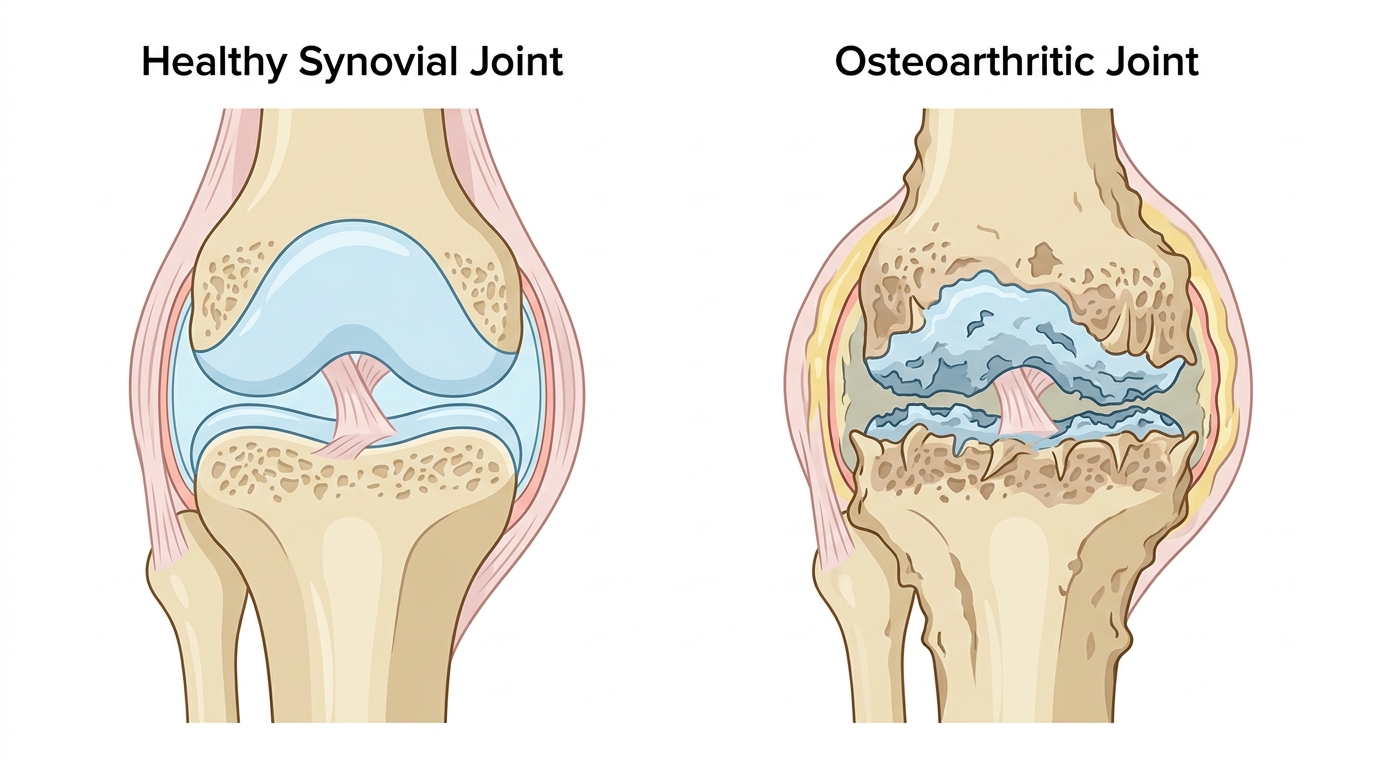
Arthritis encompasses conditions that cause pain, swelling, and stiffness within synovial joints. Osteoarthritis (OA) is by far the most prevalent, characterized by the progressive thinning of articular cartilage, narrowing of the joint space, remodeling of subchondral bone, and formation of osteophytes (bone spurs).
Contrary to the outdated belief that osteoarthritis is an inevitable “wear-and-tear” sentence requiring complete rest, articular cartilage is living tissue that requires cyclic, low-impact loading to absorb nutrients from synovial fluid. Sedentary habits accelerate cartilage degeneration and weaken the peri-articular muscles responsible for absorbing shock.
Specialized physiotherapy strengthens supporting musculature (such as the quadriceps for the knee or rotators for the hip), directly unweighting arthritic joint surfaces and significantly improving pain and functional mobility.
Hallmark clinical signs of arthritis
Sluggish joint movement upon waking that gradually eases as gentle movement circulates synovial fluid.
Audible or palpable crunching sensations during bending, kneeling, or rising from a low seat.
Deep, localized joint line aching that worsens after prolonged walking, standing, or prayer positions.
Progressive loss of end-range flexion or extension making stairs and floor sitting challenging.
Most osteoarthritis cases respond safely to conservative physiotherapy, but prompt medical consultation is necessary if you experience:
- Hot, red, acutely swollen joint with fever: Severe pain in a single joint accompanied by warmth, redness, and chills requires emergency evaluation to rule out septic arthritis.
- Severe morning stiffness lasting > 1 hour: Symmetrical involvement of multiple small joints of hands and feet with prolonged stiffness suggests inflammatory/rheumatoid arthritis requiring rheumatology management.
- Sudden inability to bear weight: Severe acute joint collapse following minor trauma.
Evidence-based joint preservation protocol
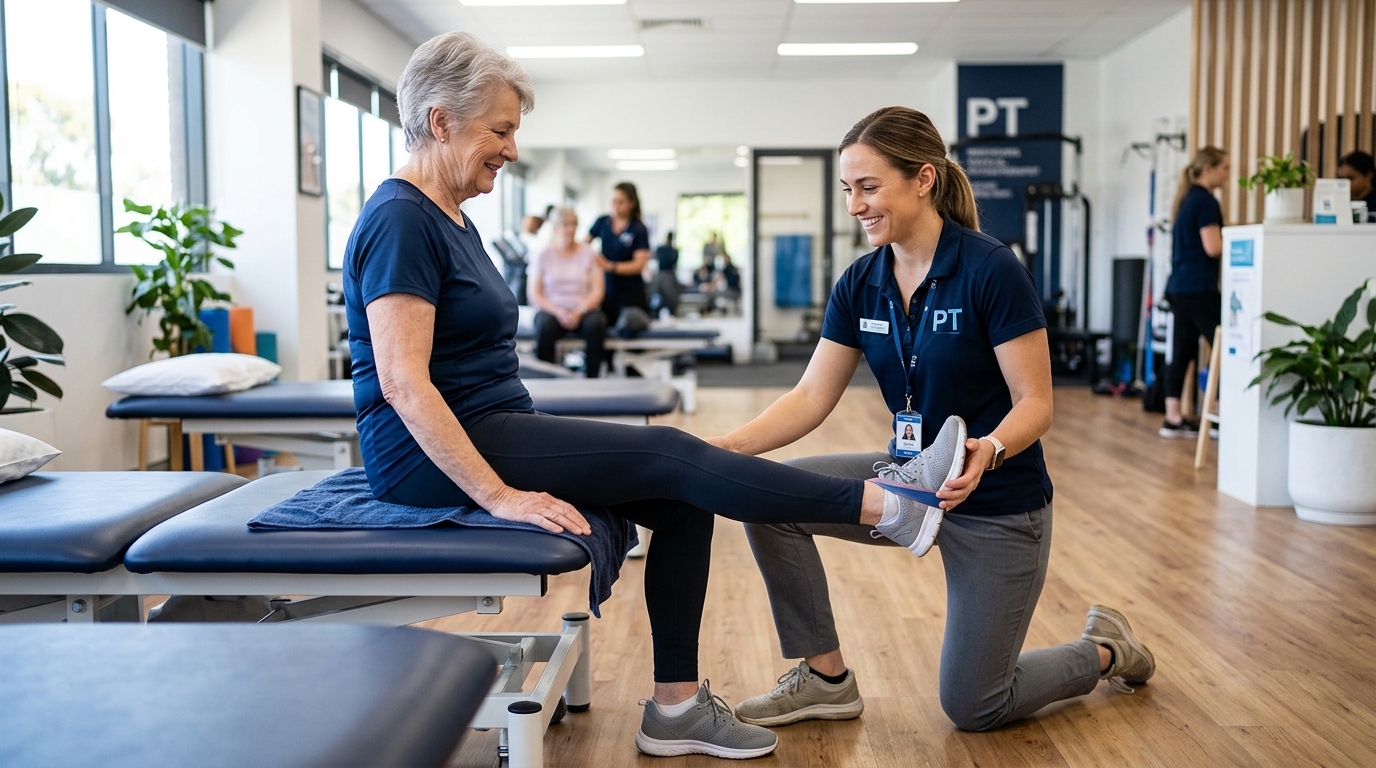
At Dr Waheed Physio, clinical evaluation by Dr. Waheed Muhammad, Consultant Physical Therapist at DHQ Teaching Hospital Swabi, grades functional impairment, alignment deformities, and muscular strength to deliver an evidence-based pathway:
What to expect from conservative arthritis management
While physical therapy does not reverse radiographic bone changes, high-quality clinical studies demonstrate that 6 to 12 weeks of structured strength and mobility training reduces joint pain by 40% to 60%, matching or exceeding medication benefits without adverse side effects.
Yes. International clinical guidelines establish structured exercise and education as the primary first-line treatment for joint osteoarthritis. Many patients with moderate to severe arthritis achieve substantial pain relief and functional restoration that allows them to postpone or entirely avoid surgical joint replacement.
No. Moderate, low-impact exercise stimulates chondrocyte cellular metabolism and promotes cartilage health. In contrast, joint immobilization and muscle weakness allow unbuffered impact loads to concentrate directly onto bone surfaces, accelerating pain and stiffness.
Mild joint discomfort that resolves within 1 to 2 hours after exercise is normal and safe adaptation. If pain flares for more than 24 hours, our clinical team adjusts exercise dosage, range, or resistance to keep loading within your joint’s current capacity.
Explore related joint and mobility conditions
Schedule an expert arthritis assessment
Consult Dr. Waheed Muhammad, Consultant Physical Therapist at DHQ Teaching Hospital Swabi. Private consultations held at Doctors Medical Center, Jahangira Road, Swabi (3:00 PM – 7:30 PM, Monday to Saturday).