Post-Surgery Rehabilitation & Recovery Care
Structured, surgeon-aligned recovery pathways following orthopedic, spine, and joint operations with Dr. Waheed Muhammad in Swabi.
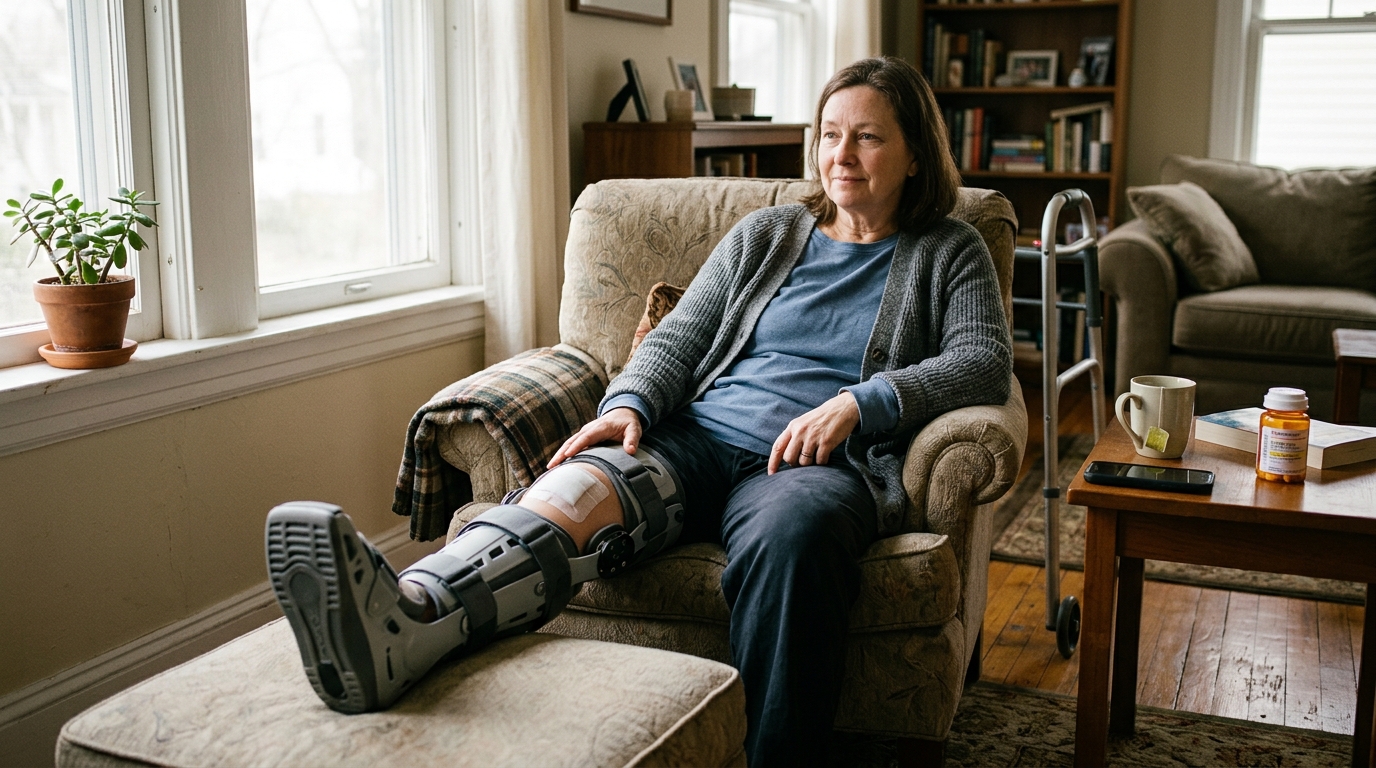
Understanding surgical trauma, tissue repair, and early mobilization
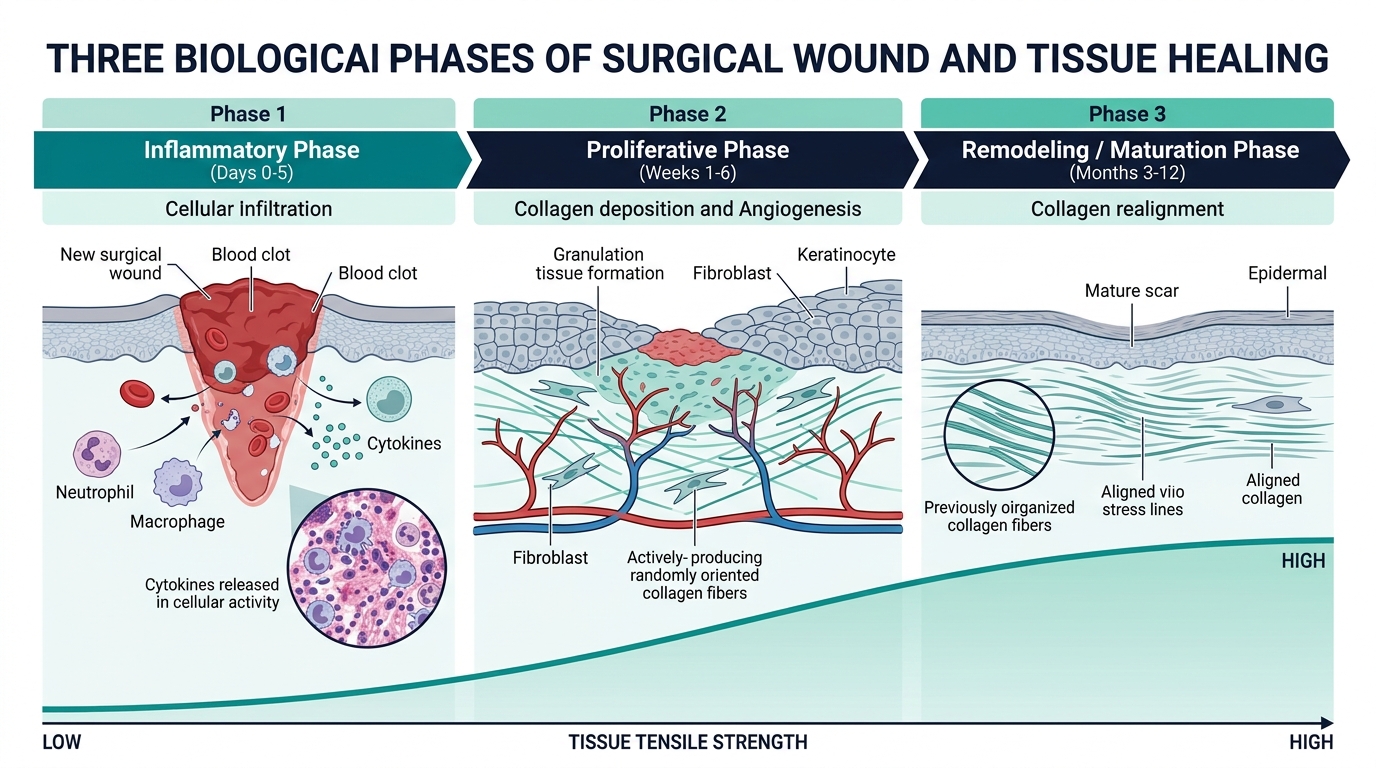
Key indicators and functional symptoms
Joint Stiffness & Range Loss
Marked resistance to flexion or extension following surgery, requiring progressive gentle mobilization to prevent capsular contracture.
Persistent Swelling & Effusion
Fluid accumulation around incisions and surrounding tissues that causes mechanical discomfort and inhibits muscle firing.
Arthrogenic Muscle Inactivity
Reflex inability to fire key stabilizers (such as quadriceps lag after knee surgery) despite conscious voluntary effort.
Gait & Transfer Hesitation
Protective compensatory limping, fear of bearing prescribed weight, and awkward transitions between sitting, standing, and bed.
When to seek urgent medical evaluation (Red Flags)
Seek immediate medical/surgical evaluation if you experience: signs of Deep Vein Thrombosis (DVT—sudden calf pain, severe swelling, localized heat or redness); signs of surgical site infection (fever >38°C, spreading erythema, persistent foul-smelling wound discharge); sudden severe increase in pain unresponsive to prescribed medication; or audible clicking with loss of joint stability suggesting hardware failure.
Evidence-based phased post-surgical rehabilitation protocols
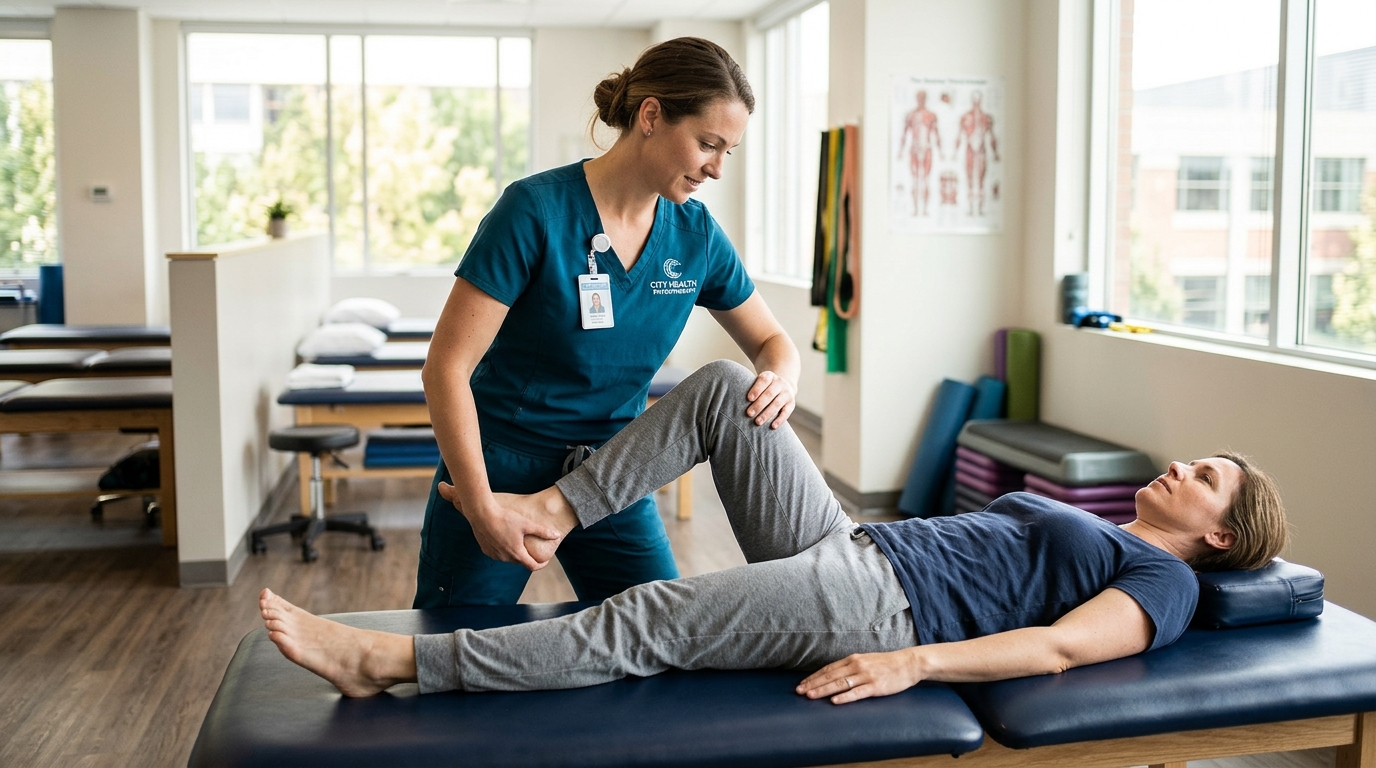
What to expect during rehabilitation
Phased Post-Operative Roadmap
Weeks 1–4 (Protection & Activation): Edema control, safe incision management, restoration of baseline passive ROM, and isometric recruitment.
Weeks 5–12 (Progressive Loading): Full active range of motion, progressive resistance exercise, symmetric gait retraining, and cane/crutch weaning.
Weeks 12–24+ (Functional Autonomy): Stair mastery, impact tolerance, dynamic core and joint stability, and return to demanding work or recreation.
When should physiotherapy begin after my surgery?
Depending on the procedure, gentle bedside mobilization and circulatory exercises often begin within 24 to 48 hours. Outpatient physical therapy typically starts within 7 to 14 days following surgeon clearance.
How much pain is normal during post-surgical exercises?
Mild, tolerable discomfort (3/10 or less) that settles within 30 to 60 minutes after exercise is acceptable. Severe, sharp pain or symptoms lasting into the next morning indicate overload and require immediate protocol calibration.
How long does full recovery take after joint or spine surgery?
While substantial daily independence is usually achieved within 6 to 12 weeks, complete neuromuscular recovery, scar remodeling, and peak strength solidify over 6 to 12 months.
Related clinical rehabilitation care
Fracture Rehabilitation
Restoring joint mobility and bone loading after surgical fixation.
Safeguard Your Surgical Investment & Recover Fully
Schedule your post-operative rehabilitation assessment with Dr. Waheed Muhammad in Swabi. We formulate personalized, surgeon-aligned recovery pathways.