Doctors Medical Center, Jahangira Road, SwabiSwabi, KPK
Mon – Sat: 3:00 PM – 7:30 PM
|
CONDITIONS / SCIATICA

Sciatica & Radicular Nerve Pain

Relieving radiating leg pain, calming lumbar nerve root irritation, and restoring functional mobility through targeted physiotherapy in Swabi.
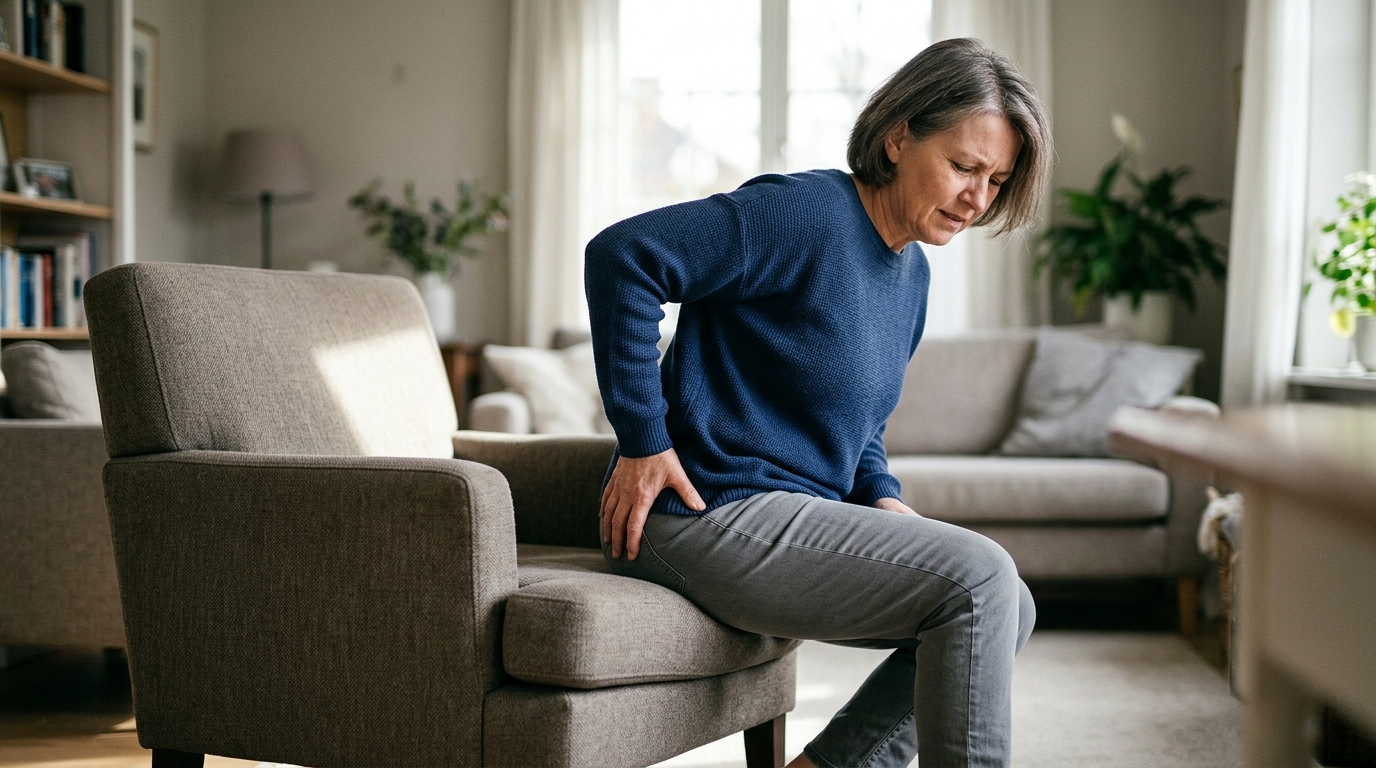
Adult sitting in chair holding back of hip and thigh in discomfort from radiating sciatic nerve pain
01 · UNDERSTAND THE CONDITION

What causes sciatic nerve pain?

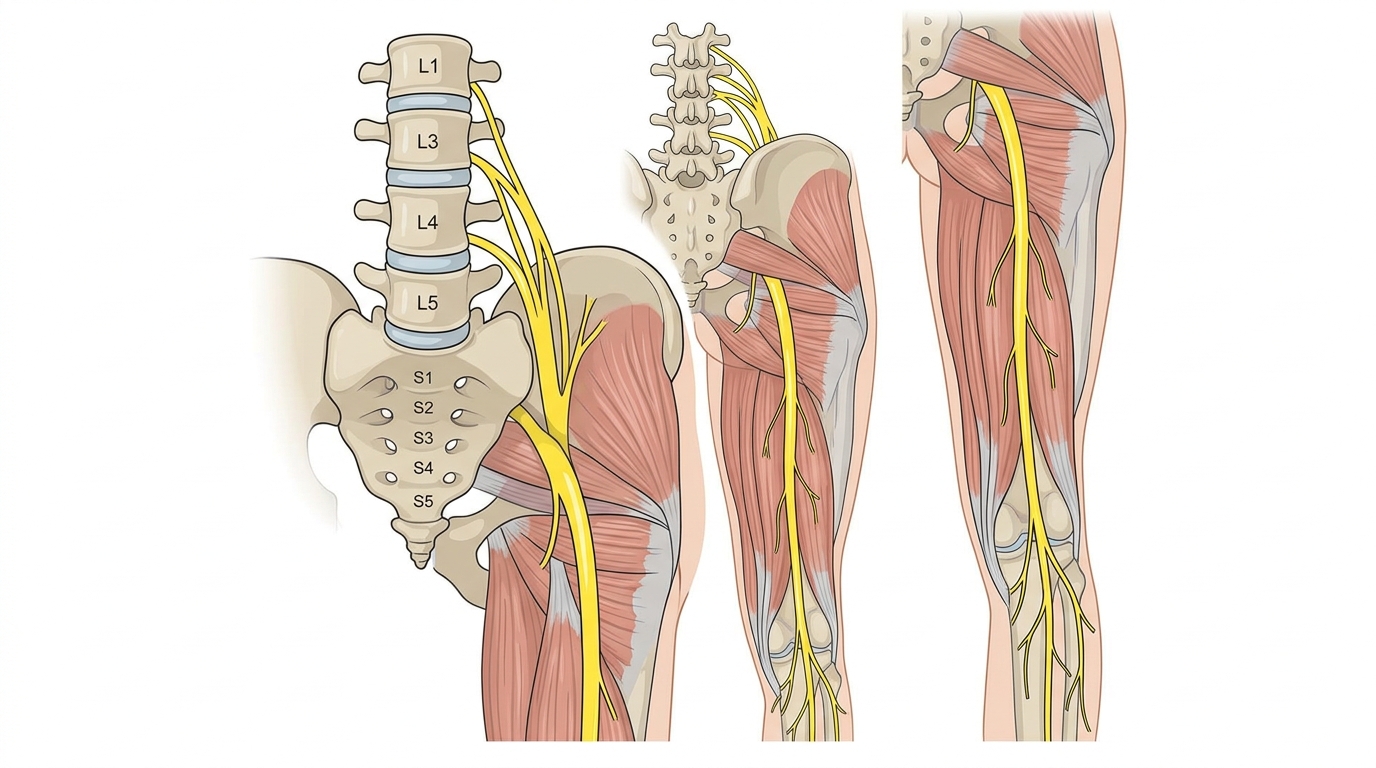
Medical anatomical diagram of the lumbar spine and sciatic nerve descending through the piriformis and posterior leg
Lumbar nerve roots (L4–S3) & the descending sciatic nerve pathway

The sciatic nerve is the largest and longest nerve in the human body. Originating from the lower lumbar and sacral spine (L4 to S3), it travels deep beneath the gluteal muscles and extends down the posterior thigh, branching into the calf, ankle, and foot.

Sciatica (lumbar radiculopathy) arises when one or more of these nerve roots become chemically inflamed or physically compressed. The most frequent causes include lumbar intervertebral disc herniation, degenerative canal stenosis, facet hypertrophy, or muscular compression under the piriformis muscle.

Unlike localized mechanical back pain, sciatic pain follows a characteristic dermatomal pathway down the limb, often producing tingling, numbness, or electrical sensations.

02 · RECOGNIZE THE SYMPTOMS

How sciatica impacts daily movement

• Sharp shooting or burning pain traveling below the knee
• Numbness, pins-and-needles, or altered sensation in calf/foot
• Symptoms exacerbated by prolonged sitting, bending, or coughing
• Weakness when lifting the foot or pushing off during walking
⚠️ Urgent medical warning signs (Emergency Red Flags)

While the majority of sciatica cases improve through conservative physical therapy, seek immediate hospital emergency care if you experience:

  • Cauda Equina Syndrome: Loss of bladder or bowel control, difficulty urinating, or numbness around the saddle/groin area.
  • Progressive motor weakness: Rapidly worsening foot drop (inability to lift the foot at the ankle) or knee buckling.
  • Bilateral radicular symptoms: Severe radiating numbness or weakness affecting both legs simultaneously.
03 · ASSESSMENT & REHABILITATION

A targeted neural rehabilitation protocol
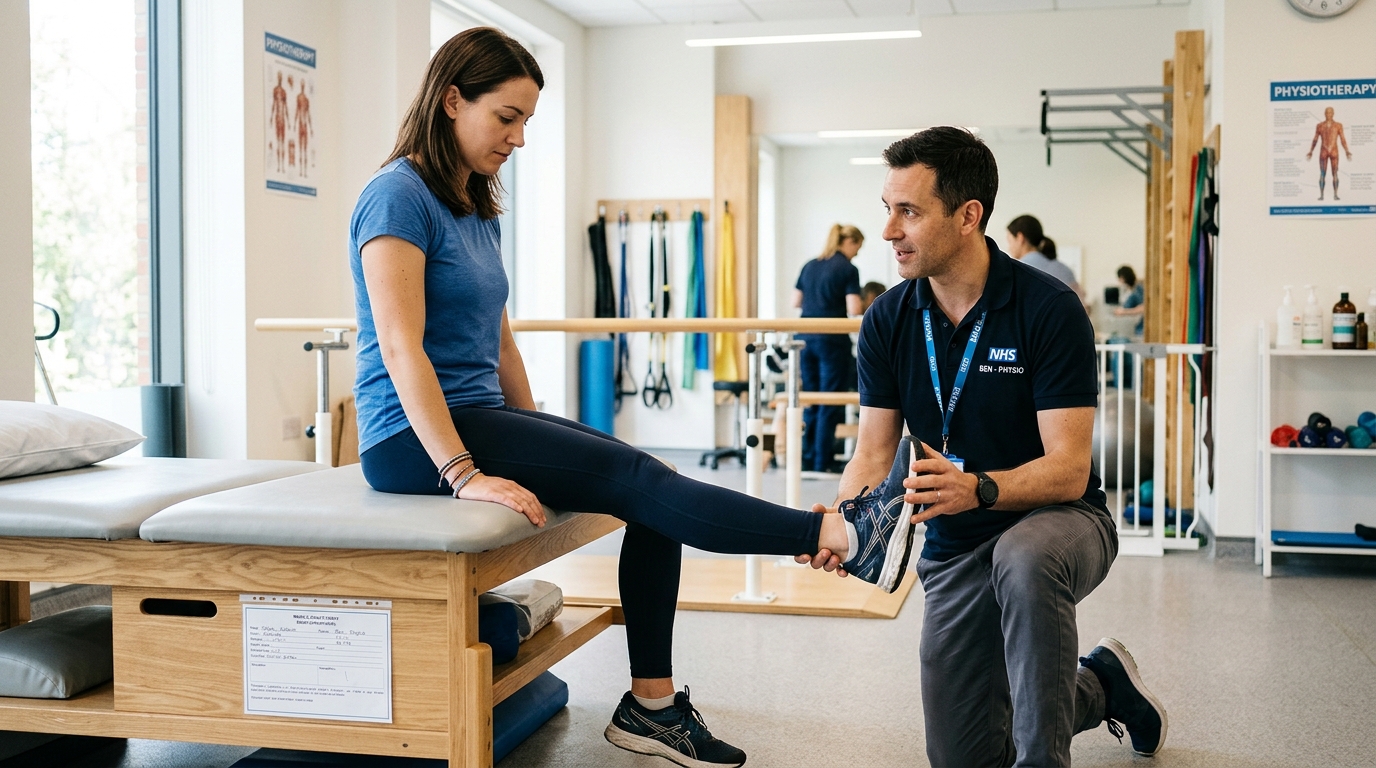
Patient performing gentle seated sciatic nerve flossing and neural mobilization guided by physiotherapist
Guided seated neural mobilization (nerve gliding) to reduce neural tension

At Dr Waheed Physio, clinical evaluation by Dr. Waheed Muhammad, Consultant Physical Therapist at DHQ Teaching Hospital Swabi, identifies directional preferences, mechanical nerve root tension (Straight Leg Raise, Slump test), and neurological conduction integrity.

Stage 1: Symptom Centralization & Mechanical Unloading Directional preference exercises (McKenzie extension or flexion protocols) to draw pain out of the leg and back toward the spine, combined with temporary position modification.
Stage 2: Neural Mobilization & Dynamic Spinal Control Gentle sciatic nerve flossing (sliders and tensioners) to restore physiological nerve excursion through the spinal foramina and piriformis, paired with core stabilization.
Stage 3: Functional Strength & Long-Term Prevention Hip hinge mechanics, posterior chain strengthening (gluteals, hamstrings), progressive lifting tolerance, and ergonomic sitting adaptations for daily life in Swabi.
04 · RECOVERY & FAQS

What to expect during sciatica recovery

The prognosis for acute sciatica is favorable: high-quality clinical studies indicate that 75% to 90% of individuals experience substantial relief within 6 to 12 weeks of structured conservative care without requiring invasive spinal surgery. As inflammation around the nerve root subsides, symptoms typically “centralize”—receding from the foot and calf up toward the lower back—before resolving completely.

Do most cases of sciatica require spinal surgery? No. International clinical guidelines recommend conservative physical therapy as the first-line treatment for at least 6 to 8 weeks. Surgery is generally reserved for severe progressive neurological weakness or intractable pain unresponsive to rehabilitation.
Why does sitting make my sciatica worse? Sitting places higher hydrostatic pressure on lumbar intervertebral discs than standing or walking, pushing disc material backward toward the sensitive nerve roots. Breaking up prolonged sitting with short walking intervals relieves this pressure.
What does “centralization” of pain mean? Centralization occurs when pain retreats from the foot or calf back up into the thigh or lower spine. Clinically, centralization is an extremely positive sign indicating that pressure on the nerve root is decreasing.
RELATED CONDITIONS

Explore related spinal and nerve conditions

SPINAL CARE IN SWABI

Ready to discuss your sciatica symptoms?

Consult Dr. Waheed Muhammad, Consultant Physical Therapist at DHQ Teaching Hospital Swabi. Private consultations held at Doctors Medical Center, Jahangira Road, Swabi (3:00 PM – 7:30 PM, Monday to Saturday).