Knee Pain & Joint Rehabilitation
Restoring pain-free walking, strengthening joint stability, and managing arthritis, meniscus, and ligament conditions in Swabi.
Anatomy and biomechanics of the knee joint
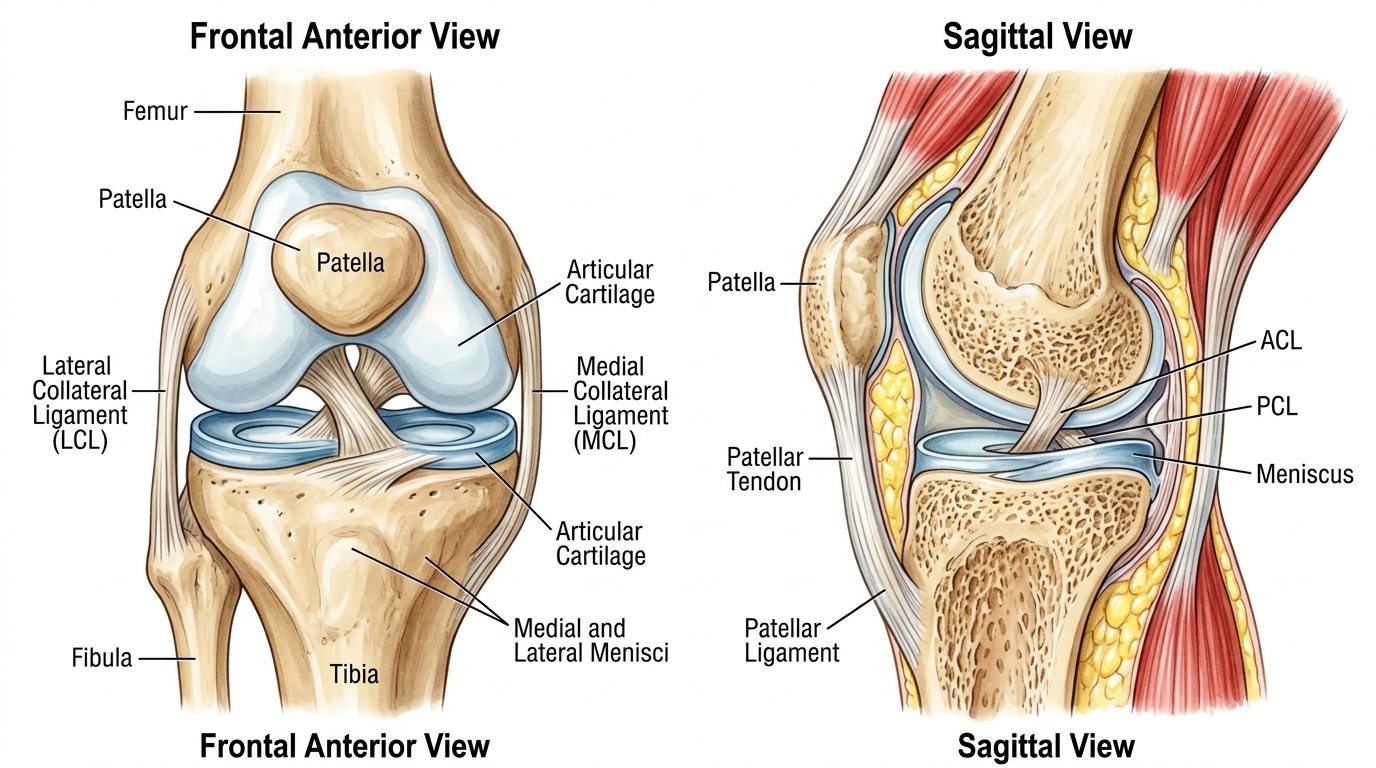
The knee is a major weight-bearing hinge joint uniting the femur (thigh bone), tibia (shin bone), and patella (kneecap). It relies on medial and lateral meniscal cartilages to absorb shock, articular cartilage to provide low-friction glide, and robust ligaments (ACL, PCL, MCL, LCL) for stability.
Knee pain arises from several distinct clinical etiologies: wear of protective joint cartilage (knee osteoarthritis), patellofemoral tracking irritation, meniscal tears, ligamentous sprains, or tendon overuse (patellar tendinopathy). Biomechanical deficits at the hip or ankle often overload the knee joint during walking, squatting, and stair climbing.
Accurately identifying whether pain is driven by cartilage compression, ligamentous laxity, or muscular imbalance allows targeted conservative rehabilitation.
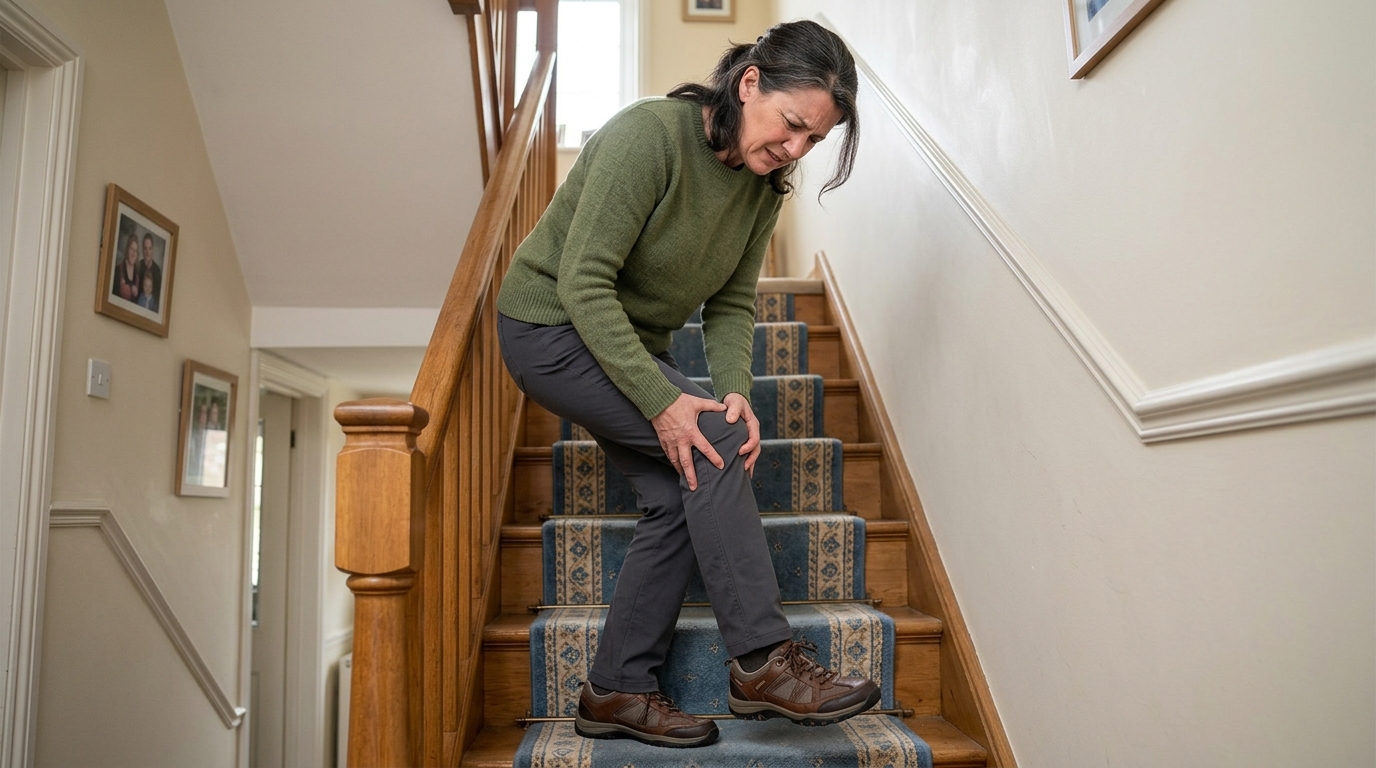
Common presentations of knee dysfunction
Most chronic knee complaints improve significantly with active physical therapy, but immediate orthopedic or medical consultation is necessary if you experience:
- True joint locking: Inability to fully straighten or bend the knee joint due to a mechanical obstruction (displaced bucket-handle meniscus tear).
- Acute inability to bear weight: Complete inability to put weight on the leg following an audible pop or traumatic twisting injury.
- Signs of septic arthritis: A red, hot, acutely swollen joint accompanied by systemic fever and chills requires emergency hospital treatment.
Individualized knee rehabilitation protocol
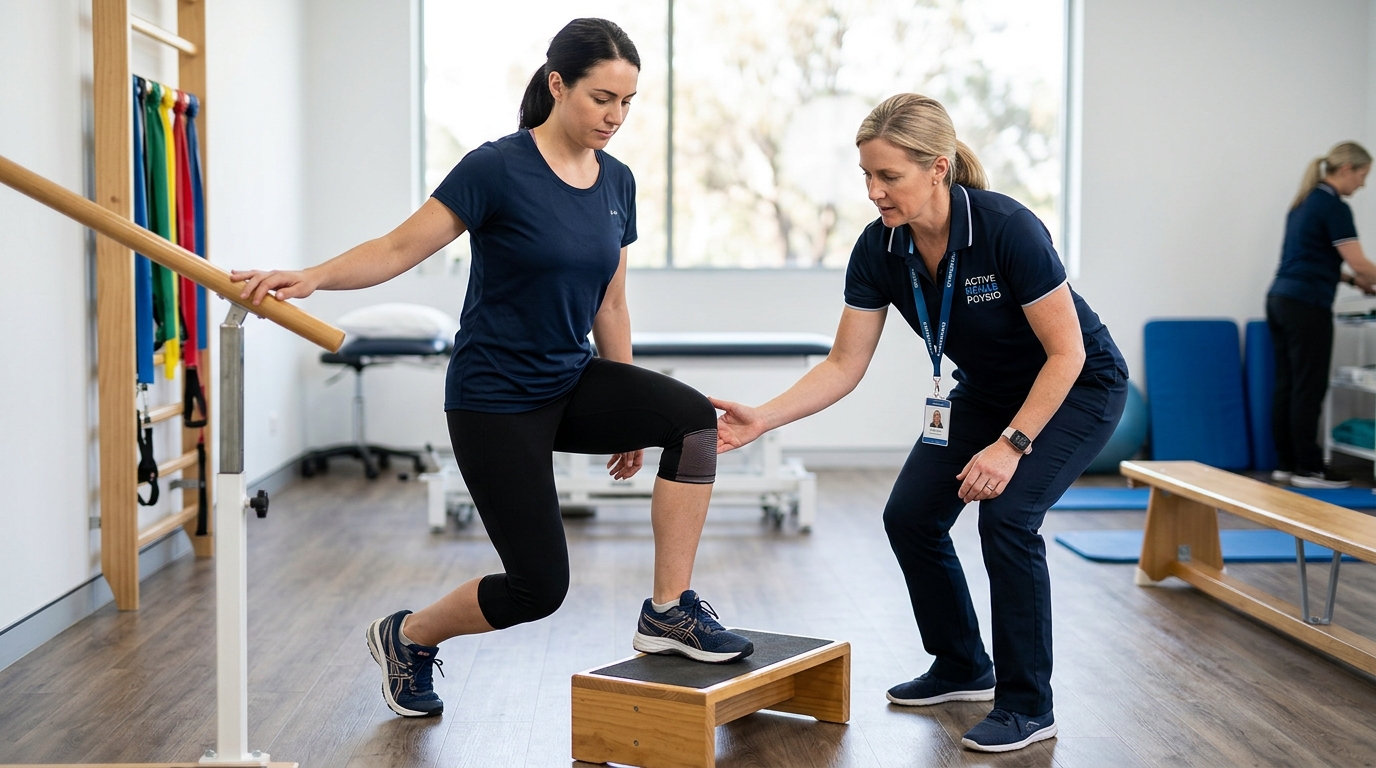
At Dr Waheed Physio, clinical examination by Dr. Waheed Muhammad, Consultant Physical Therapist at DHQ Teaching Hospital Swabi, evaluates ligamentous integrity (Lachman, valgus/varus stress), meniscal provocation, patellar tracking, and hip abductor strength.
What to expect from knee rehabilitation
Recovery timelines depend on whether the condition is an acute tendon/ligament strain (which frequently improves over 4 to 8 weeks) or chronic degenerative osteoarthritis. For osteoarthritis, physical therapy aims to restore functional capacity and reduce pain over 6 to 12 weeks of progressive strengthening, often delaying or eliminating the need for joint replacement surgery.
Explore related joint and lower-limb conditions
Schedule an expert knee joint assessment
Consult Dr. Waheed Muhammad, Consultant Physical Therapist at DHQ Teaching Hospital Swabi. Private consultations held at Doctors Medical Center, Jahangira Road, Swabi (3:00 PM – 7:30 PM, Monday to Saturday).