Amputation Rehabilitation & Prosthetic Care
Pre-prosthetic residual limb shaping, phantom limb pain management, contracture prevention, and gait training under experienced physical therapy leadership in Swabi.
The journey of comprehensive amputation rehabilitation
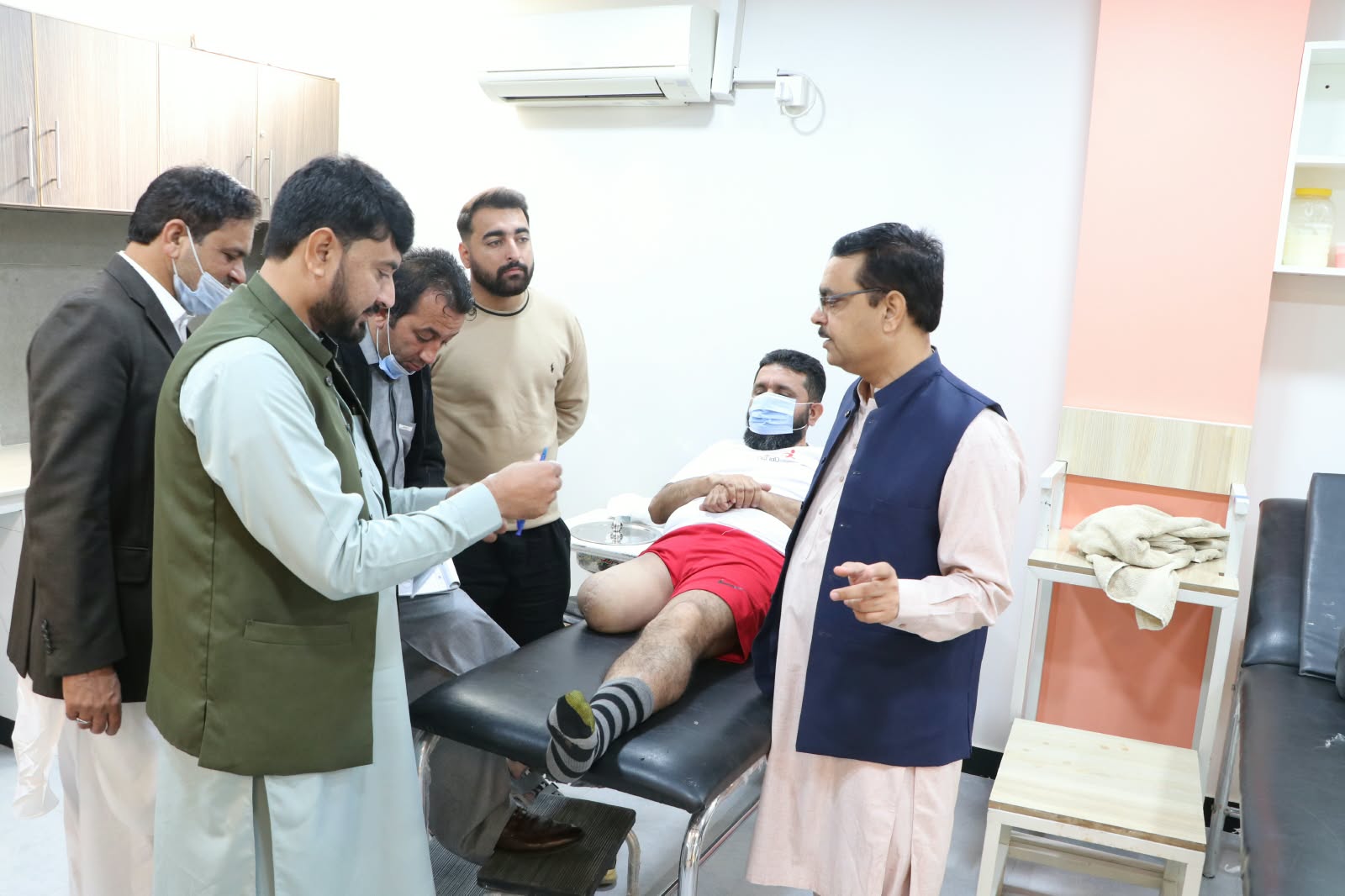
Losing a limb—whether due to trauma, vascular disease, infection, or diabetes—is a life-altering experience that impacts mobility, independence, and body schema. Amputation rehabilitation is a specialized, multi-phase clinical discipline dedicated to restoring maximal functional capability.
Rehabilitation begins immediately post-operatively: managing wound healing, controlling residual limb edema through specialized figure-of-eight compression bandaging or rigid dressings, preventing debilitating flexion contractures (particularly at the hip and knee), and addressing phantom limb sensation and phantom pain.
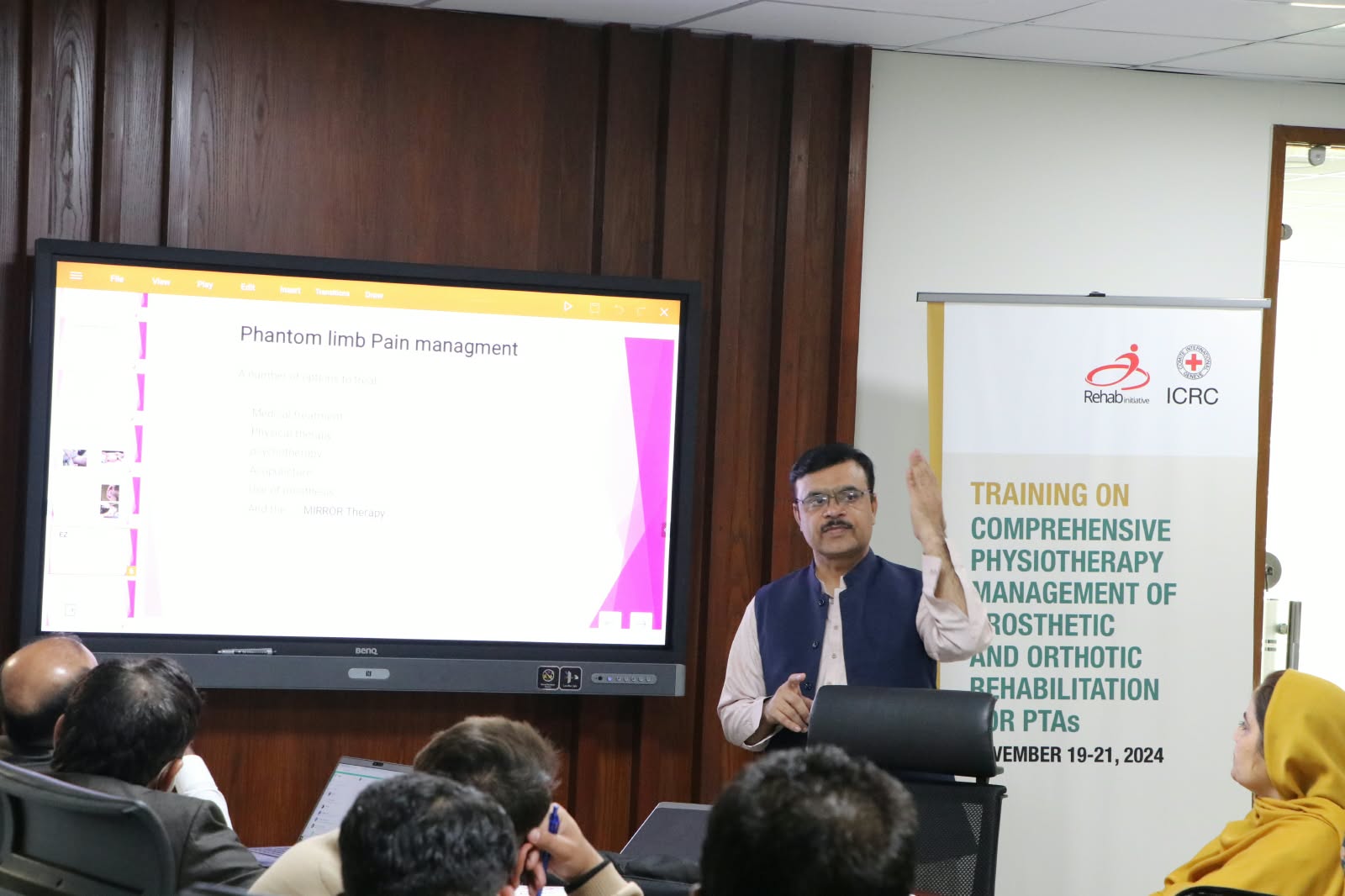
Under the clinical direction of Dr. Waheed Muhammad—who has served as master trainer for the ICRC (International Committee of the Red Cross) prosthetic and orthotic initiatives—our protocol prepares individuals physically and psychologically for successful prosthetic fitment and dignified community reintegration.
Key functional phases and clinical challenges
Burning, twisting, or aching sensations perceived in the missing limb, addressed through graded motor imagery and mirror therapy.
Tightening of hip or knee flexors from prolonged sitting, which can make prosthetic alignment and upright standing impossible.
Post-surgical swelling requiring conical shaping and daily compression to ensure a comfortable socket fit without pressure sores.
Over-reliance on the intact limb causing sound-side knee, hip, and lumbar spine strain during standing and ambulation.
Skin breakdown and infection can rapidly jeopardize the residual limb. Contact your surgeon or physician immediately if you observe:
- Wound dehiscence or purulent discharge: Any opening of surgical incision margins, foul odor, or yellowish drainage.
- Spreading redness, heat, or systemic fever: Signs of cellulitis or deep wound infection requiring prompt antibiotic therapy.
- Skin necrosis or persistent dark pressure sores: Darkened, non-blanching tissue from prosthetic socket pressure or improper bandaging tension.
Multi-phase physical therapy and prosthetic gait training
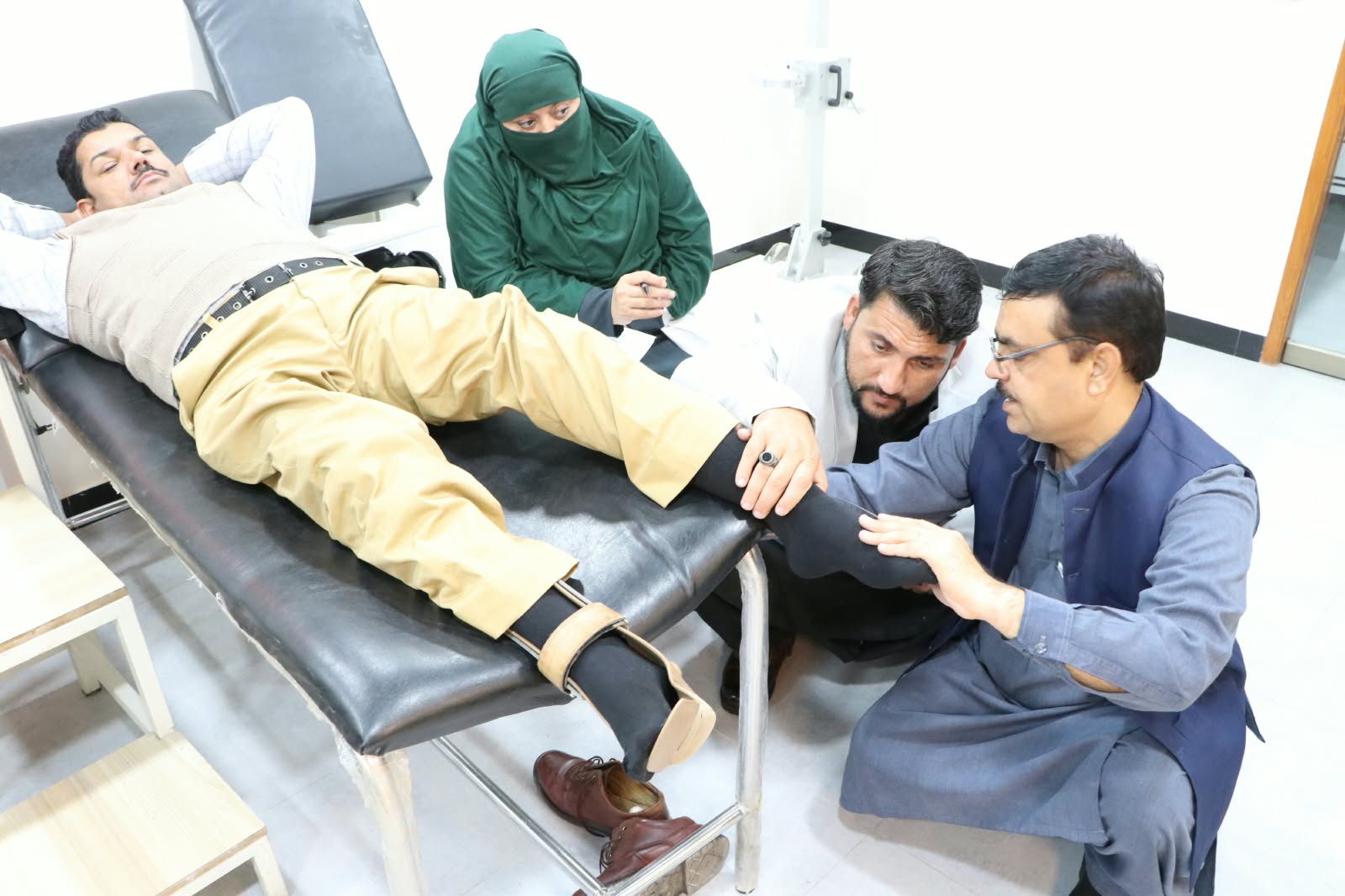
At Dr Waheed Physio, amputation rehabilitation follows internationally endorsed clinical pathways (ISPO and ICRC guidelines), structured into three coordinated clinical phases:
What to expect during amputation rehabilitation
Rehabilitation timelines vary according to surgical healing, general health, and cognitive readiness. Pre-prosthetic conditioning typically spans 6 to 12 weeks post-surgery. Once the temporary prosthesis is delivered, intensive gait retraining generally takes 4 to 8 weeks to achieve safe, independent community ambulation.
Phantom limb pain is a neurological phenomenon occurring in the cerebral cortex where the brain continues sending signals to the missing limb. Mirror therapy, graded motor imagery, and stump desensitization trick the cortical map into perceiving normal relaxed movement, significantly decreasing pain severity without excessive reliance on medications.
If a patient sits in a wheelchair with the residual knee or hip bent for weeks, the muscles permanently shorten into a contracture. A bent hip or knee prevents the prosthetic pylon from aligning vertically beneath the pelvis, making standing and walking biomechanically inefficient or impossible. Daily prone lying and passive stretching are vital preventative measures.
Prosthetic fitting occurs once the surgical incision is fully healed, sutures are removed, and post-surgical swelling has consolidated into a stable conical shape—typically 8 to 12 weeks after surgery. Rushing into a prosthesis before the stump matures causes skin blistering and painful socket misfit.
Explore related rehabilitation and mobility conditions
Consult Dr. Waheed Muhammad for specialized amputation care
Benefit from advanced ICRC-certified prosthetic and orthotic rehabilitation expertise. Private consultations held at Doctors Medical Center, Jahangira Road, Swabi (3:00 PM – 7:30 PM, Monday to Saturday).